
Combining AI and mechanical expertise
Unifying artificial intelligence, signal processing and camera dynamics knowledge — a rare advantage compared to data-only solutions.
ITD Lab (Intelligent Technical Diagnostics) pursues a closed model: from fundamental research in the laboratory to actual industrial products. The Lab develops an AI-based machine health monitoring system — combining signal processing, machine learning/deep learning, and mechanical knowledge — to diagnose failures, predict remaining life (RUL), and optimize maintenance for industrial rotating equipment.
Develop vibration signal processing algorithms and AI models (autoencoder, CNN, domain adaptation) for diagnosing camera failures.
Evaluation on standard data sets (CWRU, SEU) and data collected at the factory site, ensuring reliability before deployment.
Integrate into a machine health monitoring system: detect abnormalities, diagnose causes, predict RUL and suggest maintenance.
Training, consulting and implementing solutions at businesses; Aiming for commercial products suitable for Vietnam's industrial conditions.
Unifying artificial intelligence, signal processing and camera dynamics knowledge — a rare advantage compared to data-only solutions.
Using digital twin physical platforms combined with machine learning, helps diagnose accurately even when error data is rare.
Apply Grad-CAM, Score-CAM, SHAP to explain model decisions, creating confidence for field engineers.
Cooperating with MCUT (Taiwan), Griffith (Australia), UTTOP (France), AGH (Poland) and businesses such as VICEM, Samsung.
Many SCIE/Scopus Q1–Q2 papers on vibration diagnostics, deep learning, and camera condition monitoring.
Knowledge transfer through corporate training courses and research student teams from 2nd year to PhD.
Research students (from year 2 onward) are organised into three main directions.
Diagnose & predict failures using Artificial Intelligence
Development of deep learning and machine learning models for failure diagnosis, anomaly detection and remaining life prediction of rotating equipment: convolutional network (CNN), autoencoder, domain adaptation, explainable AI and data-driven methods for gearbox, bearing, motor monitoring.

Supervisor
PhD Quoc-Chien Truong

Danh-Thanh-Binh Do
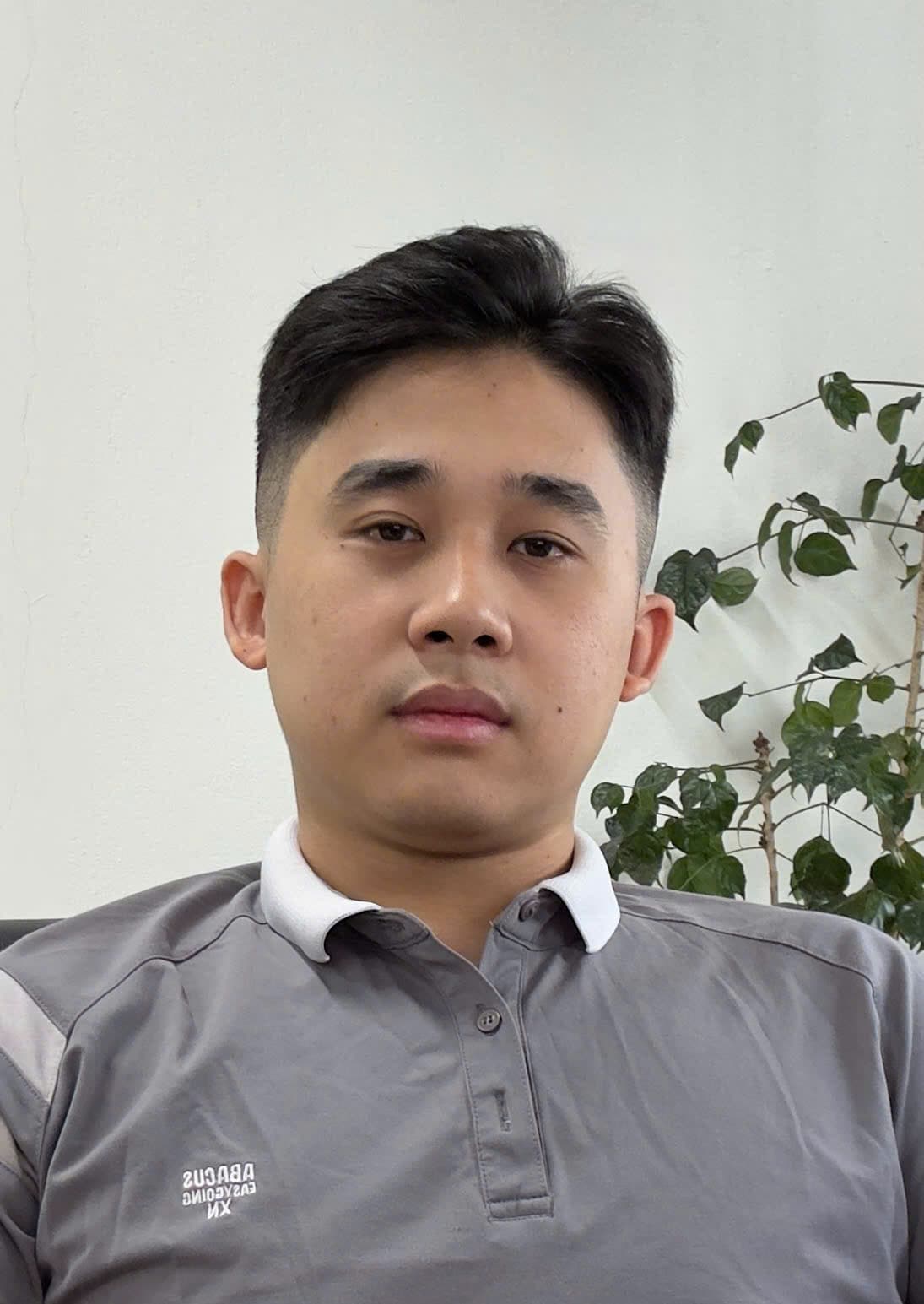
Thai-Hung Pham

Manh-Cuong Nguyen
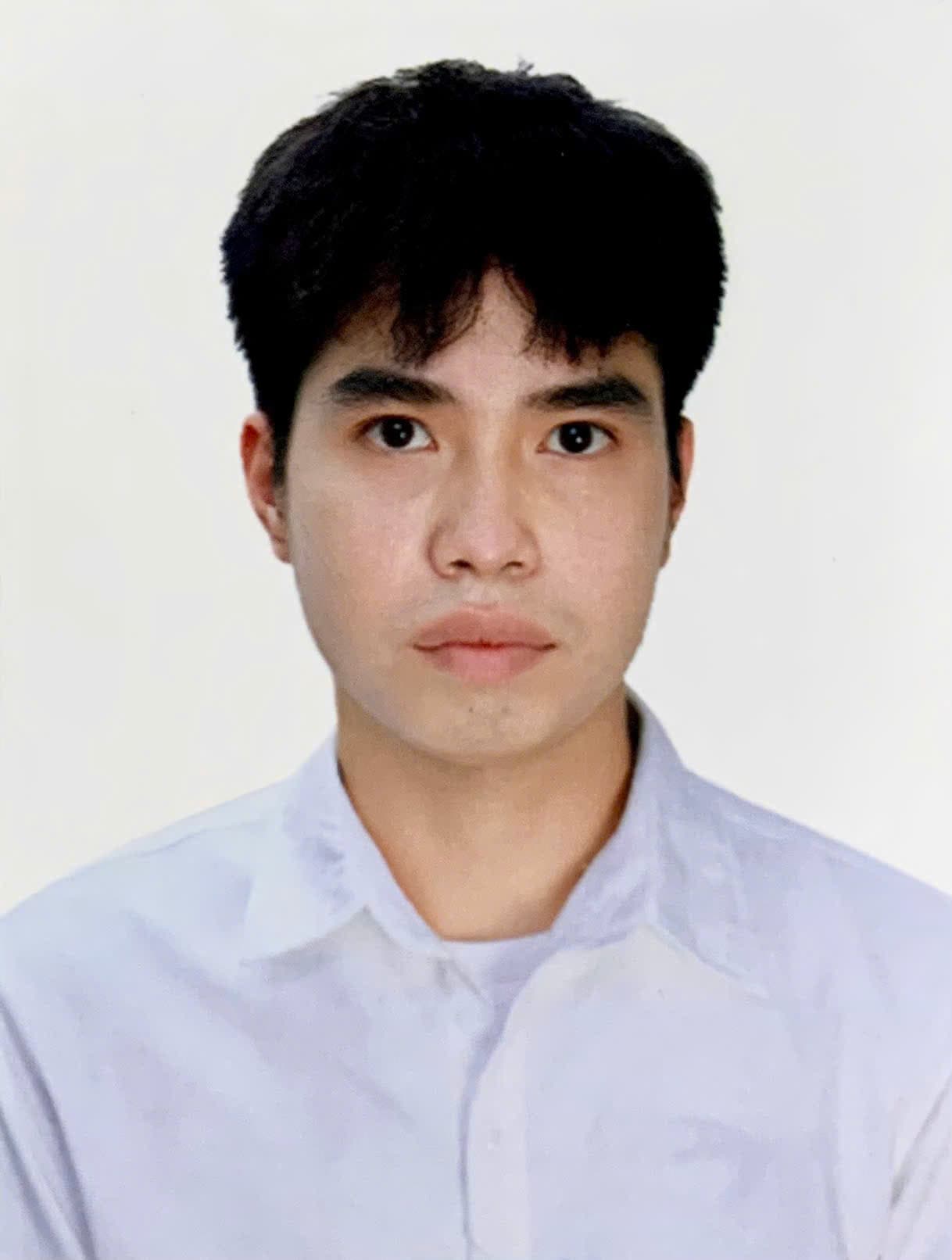
M.Sc. Phuc-Tan Le

Nhan-Phuc Hoang

Cong-Minh Nguyen
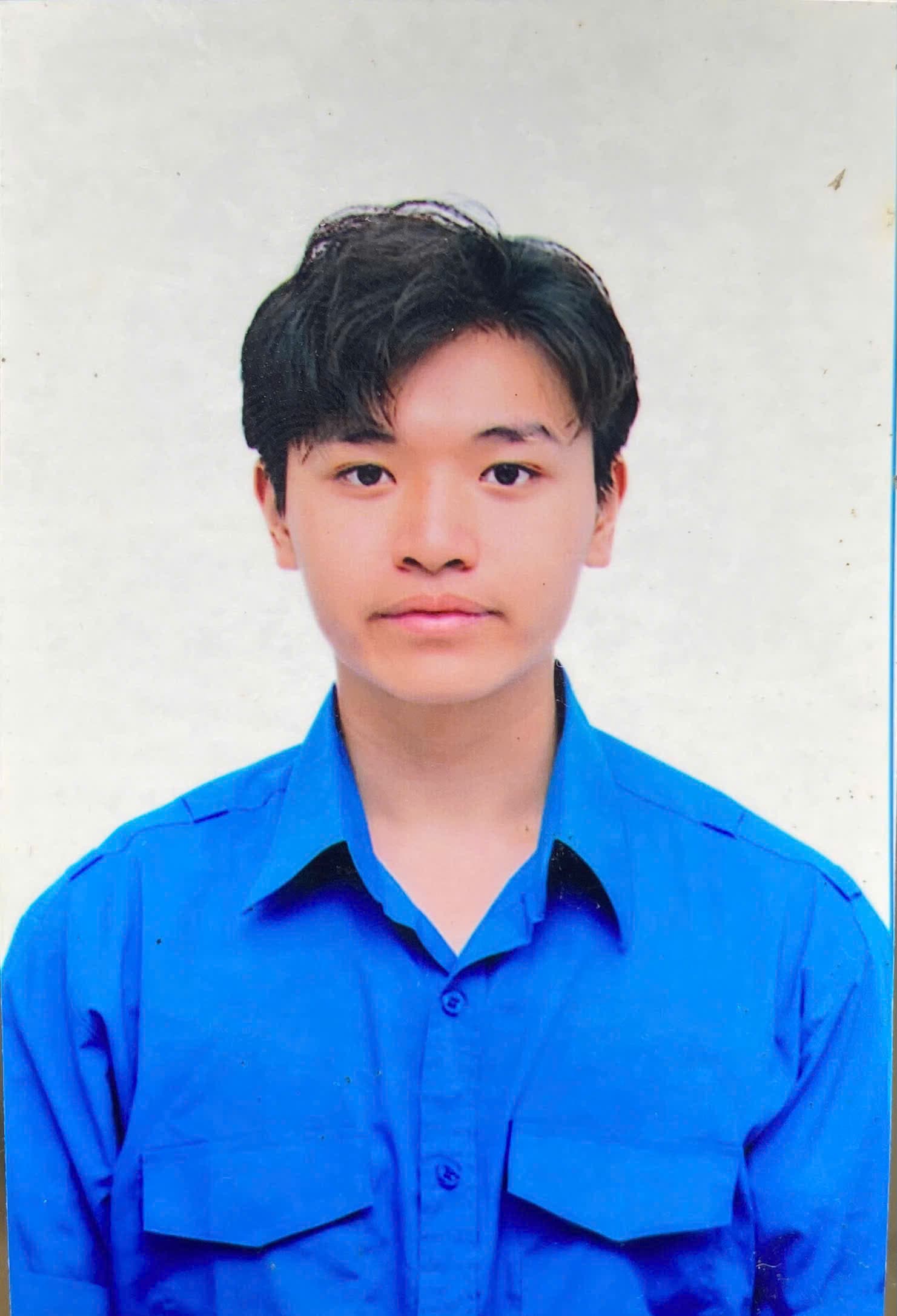
Dinh-Bach Nguyen

Minh-Thang Bui
Biosensors & smart measurement
Research into advanced biosensors and measurement techniques for high-quality signal collection for condition monitoring and diagnostics.

Supervisor
PhD Thi-Mai Tran

Quang-Huy Nguyen
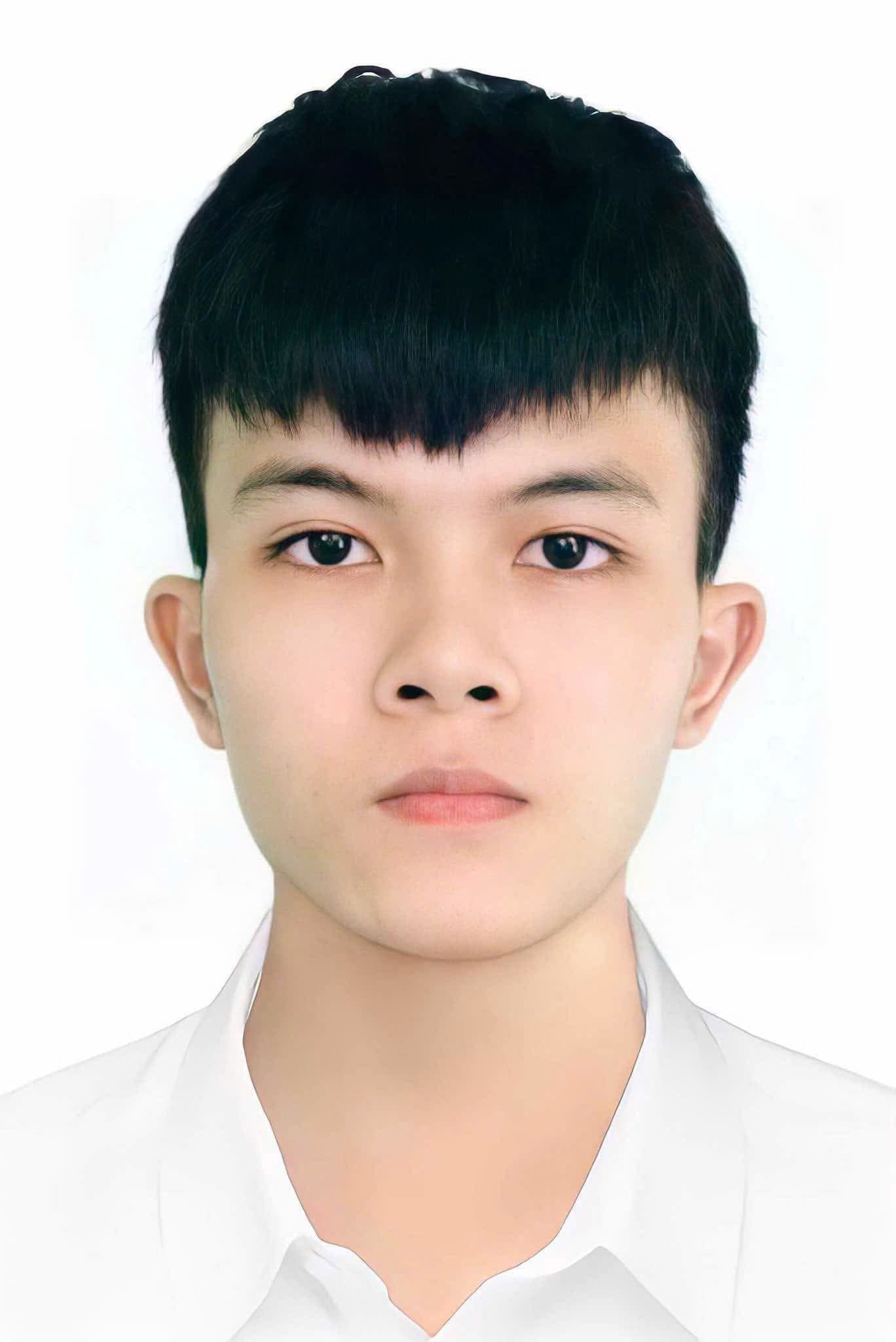
Cong-Hieu Le
Modeling & simulation of mechatronic systems
Modeling and simulation of rotary transmission system dynamics: gear dynamics, rotor–bearing systems, mechatronic systems and robotics; Building a digital twin physical platform as the basis for physical-data hybrid diagnostics.

Supervisor
PhD Thai-Minh-Tuan Nguyen

Manh-Tuan Le
Tuan-Dong Pham

Van-Anh Hoang